






Top Tips for Managing Anxiety and Boosting Mental Health
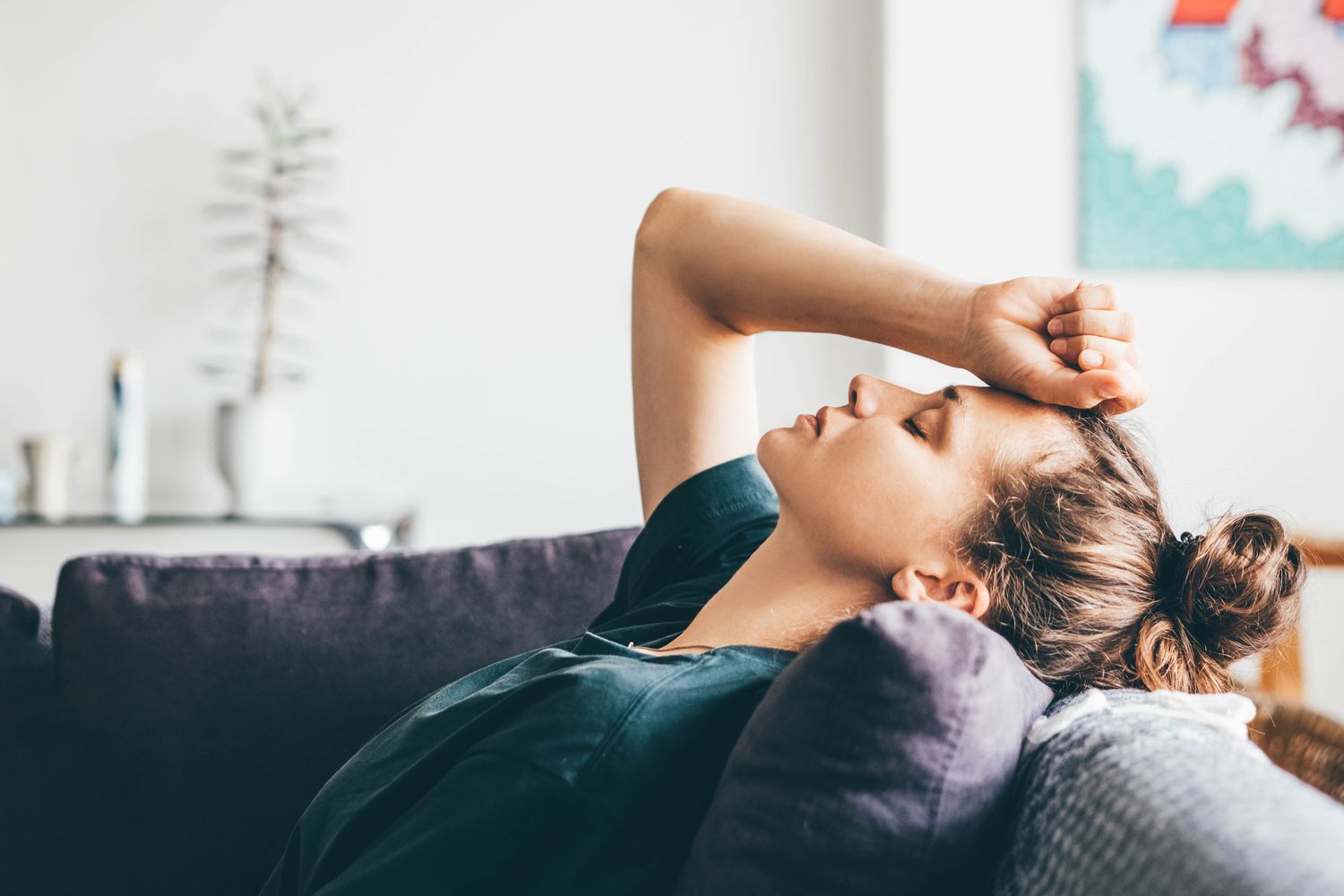
Stress affects everyone, but chronic stress can lead to serious issues like anxiety, depression, and increased cortisol levels. Learning how to handle stress effectively is crucial for maintaining your mental and physical health. In this blog, we’ll explore the top ways to manage stress, reduce anxiety, and promote overall well-being—using methods that are proven to work.
1. Recognize the Signs of Stress and Anxiety
Understanding how to recognize the early signs of stress and anxiety can help you take action before they become overwhelming. Common symptoms include:
Difficulty sleeping
Irritability or mood swings
Muscle tension and headaches
Feeling constantly overwhelmed
Trouble focusing or concentrating
Recognizing these symptoms early can help you manage stress before it escalates into more serious mental health issues.
2. Practice Mindfulness Meditation
Mindfulness and meditation are among the most effective stress-relief techniques. These practices help reduce stress by focusing your mind on the present moment, lowering cortisol levels, and promoting relaxation. Here’s how you can start:
Find a quiet, comfortable place to sit.
Close your eyes and take deep, slow breaths.
Focus on your breathing, letting go of distracting thoughts.
Regular practice of mindfulness meditation can significantly reduce stress and anxiety, helping you feel calmer and more in control.
3. Exercise Regularly
One of the best ways to manage stress is through regular physical activity. Exercise is a natural stress reliever, helping to reduce cortisol levels and improve your mood by releasing endorphins. Popular forms of exercise for stress relief include:
Yoga for stress and anxiety
Walking or running outdoors
High-intensity interval training (HIIT)
Strength training
Aim for at least 30 minutes of exercise most days of the week to keep stress at bay and boost your mental health.
4. Improve Your Sleep Quality
Poor sleep and stress often go hand-in-hand. Stress can make it difficult to sleep, and lack of sleep can increase stress levels. To improve your sleep quality:
Establish a regular sleep schedule
Create a calming bedtime routine
Keep your bedroom cool, dark, and quiet
Avoid screens and caffeine before bed
Getting enough sleep is essential for reducing stress and maintaining healthy cortisol levels.
5. Use Natural Supplements for Stress Relief
Natural supplements can be a helpful addition to your stress management routine. For instance, our CortiCalm supplement is designed to support healthy cortisol levels and promote relaxation. CortiCalm contains adaptogenic herbs known to help your body manage stress more effectively. Incorporating natural supplements like CortiCalm into your daily routine can provide additional support in handling stress.
6. Eat a Balanced Diet
What you eat can have a big impact on your stress levels. A diet rich in whole foods, such as fruits, vegetables, whole grains, and lean proteins, helps stabilize your mood and energy levels. Foods that reduce stress include:
Dark leafy greens
Nuts and seeds
Fatty fish rich in omega-3s
Herbal teas like chamomile and green tea
Avoid excessive consumption of caffeine, sugar, and processed foods, which can contribute to anxiety and stress.
7. Stay Connected with Others
Social connections are vital for managing stress. Spending time with friends and family, talking about your feelings, and seeking support when needed can help reduce feelings of loneliness and anxiety. Even during busy times, make an effort to connect with loved ones, whether through a phone call, video chat, or in-person meet-up.
8. Manage Your Time Effectively
Poor time management is a common cause of stress. To keep stress under control, prioritize your tasks, break large projects into smaller steps, and give yourself time to relax and recharge. Learning to say no to unnecessary commitments is also essential for maintaining your mental health and reducing stress.
9. Practice Relaxation Techniques
Incorporating relaxation techniques into your daily routine can help you manage stress more effectively. Popular relaxation methods include:
Deep breathing exercises
Progressive muscle relaxation
Visualization techniques
Aromatherapy
These practices can help calm your mind and body, reducing anxiety and promoting a sense of peace.
10. Seek Professional Help If Necessary
If stress becomes overwhelming or leads to severe anxiety or depression, it’s important to seek professional help. A therapist or counselor can provide guidance and support tailored to your individual needs, helping you develop effective coping strategies.
Final Thoughts
Managing stress effectively is key to maintaining your overall well-being. By integrating these proven strategies—like practicing mindfulness, staying physically active, improving sleep quality, and incorporating natural supplements like CortiCalm—you can keep stress under control and prevent it from escalating into anxiety or depression. Remember, handling stress is not about eliminating it entirely, but about developing a toolkit of healthy habits and resources that empower you to face life’s challenges with resilience and calm. Taking small, consistent steps to manage stress will lead to a more balanced, fulfilling life.